
Rethinking Plastic: The Real Issue Is What
For years, plastic has been portrayed as the ultimate environmental enemy. Images of polluted rivers, overflowing landfills, and littered beaches have reinforced the belief that plastic itself is the problem. However, the reality is more nuanced. Plastic, as a material, has transformed modern life in countless beneficial ways. The real issue lies not in plastic’s existence but in how we manage and dispose of it after use.
Understanding Plastic Beyond the Headlines
Plastic is lightweight, durable, affordable, and versatile. It plays a crucial role in healthcare, food preservation, transportation, construction, and countless everyday applications. Medical syringes, protective packaging for medicines, water storage systems, and safety equipment all rely on plastic. Without it, many industries would face significant challenges in maintaining efficiency, safety, and affordability.
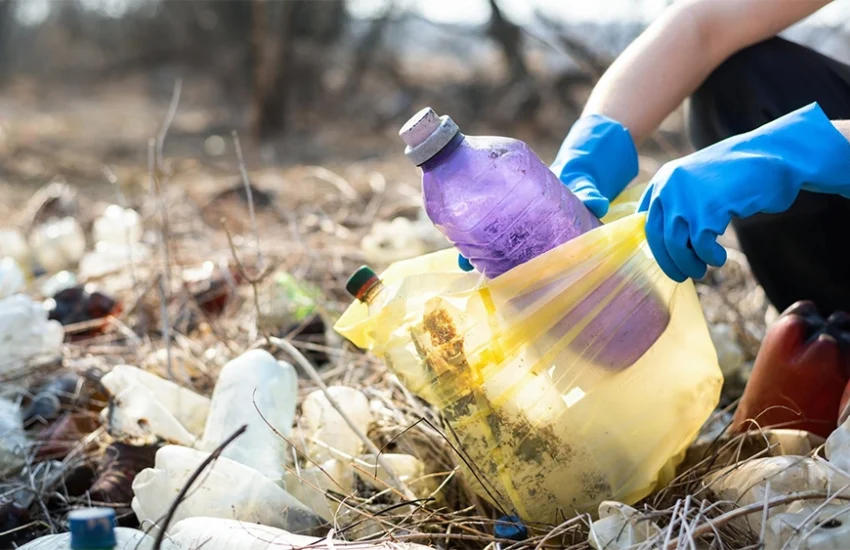
The problem begins when plastic products are discarded irresponsibly. When waste is dumped on streets, in water bodies, or mixed with non-recyclable materials, it becomes an environmental hazard.
The Disposal Gap: Where Things Go Wrong
A plastic bottle thrown into a designated recycling stream has a very different environmental impact from one tossed into a drain or open field. Unfortunately, inadequate segregation, lack of awareness, and inefficient collection systems often prevent plastic waste from reaching recycling facilities.
Many recyclable plastics end up in landfills or natural ecosystems simply because they were not disposed of correctly. This disposal gap is what transforms a useful resource into a long-term environmental problem. The focus, therefore, should be on improving waste management systems rather than demonizing plastic altogether.
Recycling Works When We Participate
Plastic recycling has the potential to significantly reduce environmental impact by extending the life cycle of materials and reducing the demand for virgin plastic production. However, recycling can only be effective when households, businesses, and communities actively participate in proper waste segregation.
Separating recyclable plastic from organic and hazardous waste is a simple yet powerful step. When clean and sorted materials enter the recycling chain, they can be processed into new products, reducing waste accumulation and conserving resources.
Building a Circular Economy for Plastic
The future of sustainable waste management lies in adopting a circular economy approach. Instead of following a “use and discard” model, a circular system keeps materials in use for as long as possible through reuse, recycling, and responsible recovery.
Plastic can be a valuable resource within this framework. By collecting, processing, and reintroducing plastic waste into manufacturing cycles, we can minimize environmental damage while maximizing resource efficiency. Businesses, governments, and citizens all have a role to play in making this transition successful.
Responsibility Starts at the Source
Every piece of plastic has a journey. Whether it becomes pollution or a recyclable resource depends largely on the choices made after it is used. Responsible disposal, source segregation, and awareness are small actions that collectively create a significant impact.
At Ecoville, we believe that sustainable waste management begins with informed action. Plastic is not inherently the villain. When managed responsibly, it remains a useful and recyclable material. The real challenge is ensuring that every plastic item reaches the right destination after use. By improving disposal practices and strengthening recycling systems, we can move toward a cleaner, more sustainable future for all.
