
Can Recycling Plastic Help Fight Climate Change?
Understanding the Connection Between Plastic Waste and the Climate Crisis
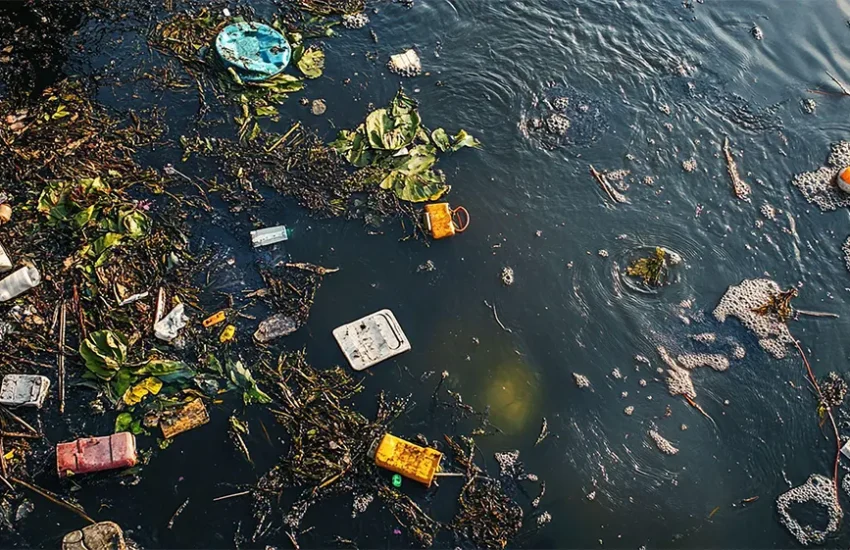
When we think about climate change, images of melting glaciers, rising temperatures, and greenhouse gas emissions often come to mind. Plastic pollution, on the other hand, is usually associated with overflowing landfills and oceans filled with waste. While these may seem like separate environmental issues, they are closely connected.
From the extraction of fossil fuels to manufacturing, transportation, and disposal, every stage of a plastic product’s lifecycle generates greenhouse gas emissions. As global plastic production continues to rise, so does its contribution to climate change. Recycling plastic offers a practical way to reduce these emissions while conserving valuable resources, making it an important part of the fight against global warming.
The Carbon Footprint of Plastic
Most conventional plastics are made from fossil fuels such as crude oil and natural gas. Extracting these raw materials, refining them, and manufacturing new plastic products require large amounts of energy, resulting in significant carbon emissions. Once discarded, much of this plastic ends up in landfills or is incinerated, releasing even more greenhouse gases into the atmosphere.
As demand for virgin plastic grows, so does the environmental impact. Reducing our dependence on newly manufactured plastic is therefore essential for building a low-carbon future.
How Recycling Makes a Difference
Recycling plastic reduces the need to produce new plastic from raw materials. Instead of extracting more fossil fuels, existing plastic waste is collected, sorted, processed, and transformed into new products. This process generally consumes less energy than manufacturing virgin plastic, leading to lower carbon emissions.
Recycling also diverts plastic waste from landfills and open environments, preventing pollution and extending the useful life of materials that would otherwise be discarded. While recycling alone cannot solve the plastic crisis, it is one of the most effective strategies for reducing its environmental impact.
Supporting a Circular Economy
One of the greatest advantages of plastic recycling is its role in creating a circular economy. Rather than following a “make, use, and dispose” model, a circular economy focuses on keeping materials in use for as long as possible.
Recycled plastic can be transformed into durable products such as outdoor furniture, plastic lumber, fencing, decking, benches, and infrastructure materials. By giving plastic a second life, manufacturers reduce waste while conserving natural resources and lowering the demand for virgin materials.
This shift not only benefits the environment but also encourages more responsible production and consumption practices across industries.
Reducing Waste, Conserving Resources
Every tonne of plastic that is successfully recycled represents less waste entering landfills, rivers, and oceans. It also reduces the need for new raw materials, helping conserve finite fossil fuel resources.
When businesses and consumers choose products made from recycled plastic, they create demand for sustainable manufacturing practices. This demand encourages greater investment in recycling infrastructure, innovation, and waste management systems, all of which contribute to a more sustainable economy.
Recycling Alone Is Not Enough
Although recycling plays a crucial role in reducing plastic waste and emissions, it should be part of a broader sustainability strategy. Reducing unnecessary plastic consumption, designing products for reuse, improving waste segregation, and adopting eco-friendly alternatives are equally important steps.
Governments, industries, and individuals all have a role to play in ensuring that plastic is managed responsibly throughout its lifecycle. Together, these actions can significantly reduce the environmental impact of plastic while supporting global climate goals.
Ecoville’s Commitment to a Sustainable Future
At Ecoville, we believe that waste should be viewed as a valuable resource rather than a problem. By transforming discarded plastic into durable, high-quality products such as recycled plastic lumber and outdoor solutions, we help reduce plastic pollution while supporting sustainable construction and infrastructure development.
Our commitment goes beyond manufacturing products, we aim to contribute to a cleaner environment, promote responsible resource management, and encourage the transition towards a circular economy.
