


Where Waste Finds Its Second Life.
Every single day, more than 500 tons of waste is dumped in this region. At Ecoville, we’re changing that story — one conveyor belt at a time.
Our Material Recovery Facility (MRF) is where transformation begins. It’s the heart of our recycling ecosystem — where discarded materials are carefully sorted, recovered, and sent forward for their next chapter of use.
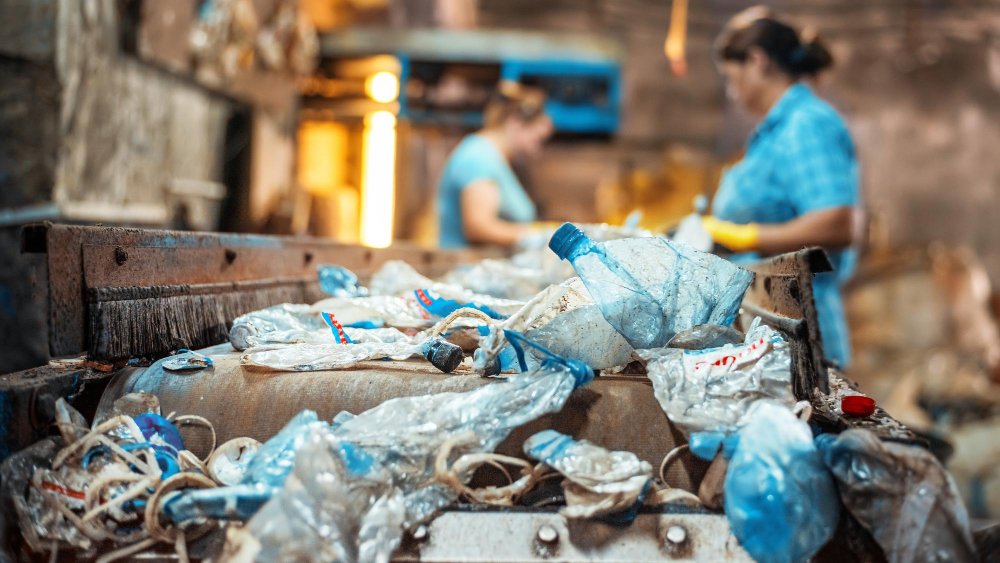
What Is a Material Recovery Facility (MRF)?
A Material Recovery Facility is a specialized center where mixed waste is received, sorted, and processed so that recyclable materials can be extracted and reused.
MRFs are essential for cities and communities striving to reduce landfill dependence and move toward a circular, zero-waste economy.
At Ecoville, our MRF is designed to handle 100 tons of waste per day, ensuring that every recoverable resource is identified, segregated, and directed toward recycling.
 Our Process
From Dump to Renewal
Each day’s journey at our MRF is a story of precision, innovation, and care — ensuring no resource goes to waste.
Collection & Receiving
Every journey begins here. Waste from local zones is collected and lifted onto conveyor belts, marking the first step of transformation from landfill-bound material to recyclable resource.
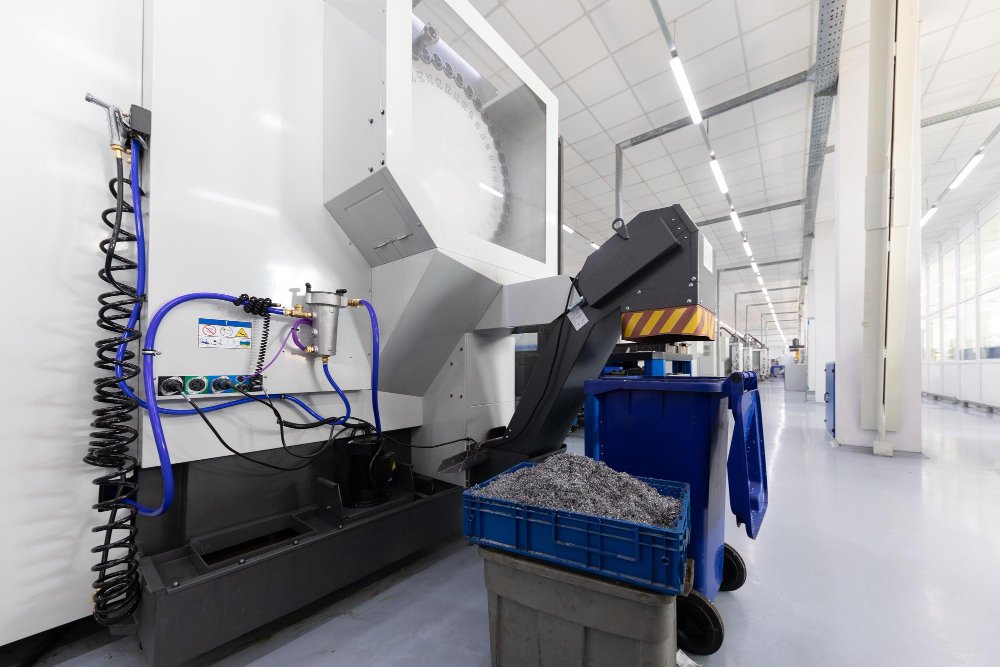
Pre-Sorting
Oversized and non-recyclable items are carefully removed. This step clears the waste stream for efficient downstream sorting, ensuring smoother recovery in later stages.
Post-Sorting
Using mechanical and manual techniques, materials are categorized by type and recyclability. Only the most recoverable waste continues forward for further processing.
Trawl Mill Separation
In this phase, materials larger than 40mm are separated from finer particles. Lighter waste is extracted using advanced airstorm systems and sent safely for disposal.
Optical Sorting
Laser scanners and air jets detect recyclables in real time, identifying materials by color, shape, and density. Precision technology ensures maximum recovery with minimal error.

Manual Sorting
Trained workers inspect and refine the sorted waste, removing contaminants and retrieving any valuable recyclables that machines may miss. The human touch ensures quality control.
Storage & Transportation
Clean, processed materials are securely baled, stacked, and transported to our Plastic Recycling Plant (PRP) — ready to be converted into durable, eco-friendly Ecoville products.

Plastic

Conserving Natural Resources
Promoting the reuse and recycling of valuable materials, reducing the need for virgin resources and conserving natural resources.

Creating a Circular Economy
Fostering a circular economy where resources are reused and recycled, minimizing waste and maximizing resource efficiency.
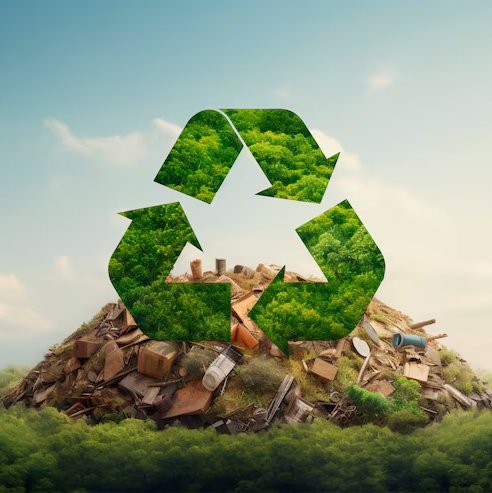

Advanced automated and manual sorting integration.

100-ton daily recycling capacity.

Precision optical sorting with laser-based detection.

Safe waste disposal protocols for non-recyclables.

Seamless link to our Plastic Recycling Plant (PRP) for closed-loop production.